motor dc | dc motor | 24v dc motor | electric dc motor  Made in the U.S.A.
Home|SiteMap | Join our Mailing List | Contact | Feedback
D&D Motor Systems, Inc.                motor dc | dc motor | electric dc motor | dc motors           12 volt controller | 48v controllers | 24 volt controller
Photo Gallery

  D&D Motor Systems designs and manufactures specialty high performance DC motors and offers a complete line of controllers to go along with them. Furthermore, we provide engineering consulting for complete vehicle electric drive & pump systems. In addition, we provide motor testing services if the customers have such a need.

Specialty DC Motors - Specification Range

Horsepower:
- From 1 –10 HP continuous duty rating
- Up to 25 HP (18.5kW) Peak HP

Frame Sizes – Outside Diameter:

- 6.69” (170mm)
Voltage Range:

- From 12V to 72V (higher if required)
  • Complete range of wound field construction
    (Series or Separately Excited).
  • All Products are produced to meet class “H” temp. ratings.
  • Customized electric drive system performance & design.
If you would like us to quote a custom design please choose the appropriate link below. Or choose from our already wide selection of motors with our "Choose Motor Guide" below.
Click on the pictures below for more detailed information about that market segment.
Electric Motor Market Segments
motors dc | motor dc | dc motors | dc motor
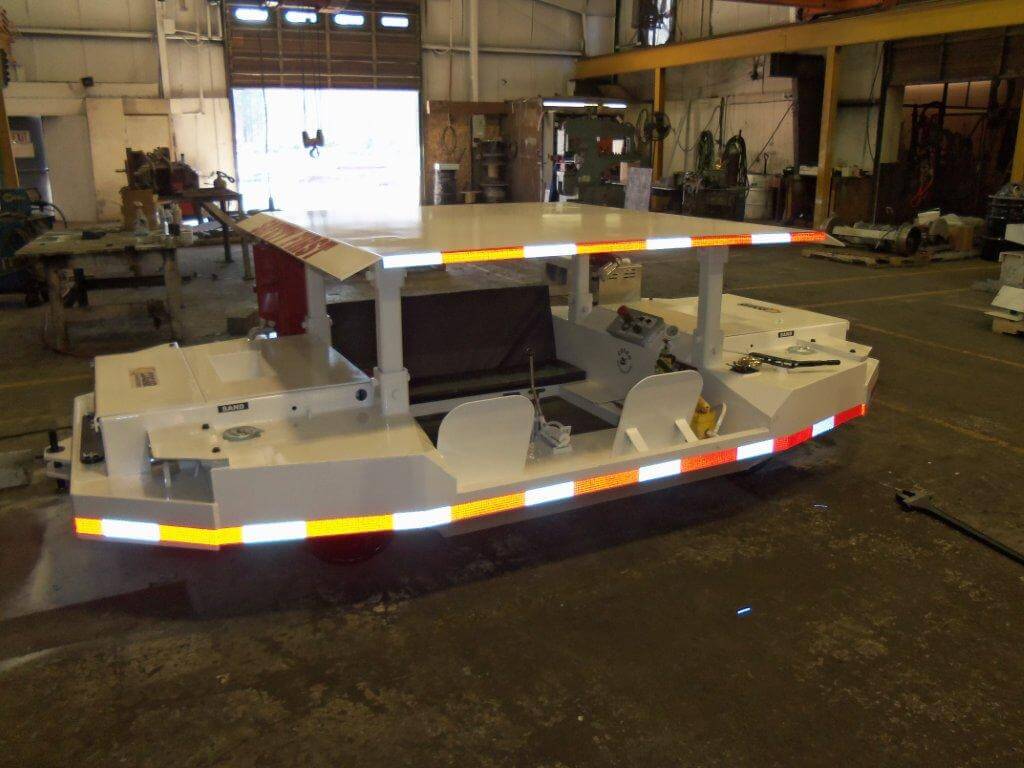
AGVS
motors dc | motor dc | dc motors | dc motor
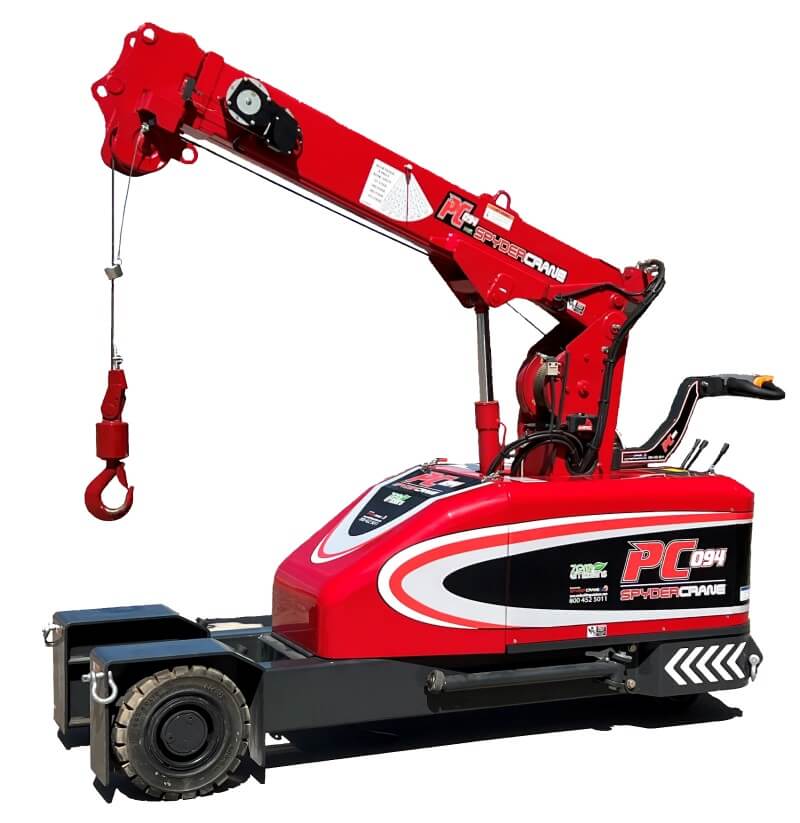
Boom Lift & Scissor Lift
motors dc | motor dc | dc motors | dc motor
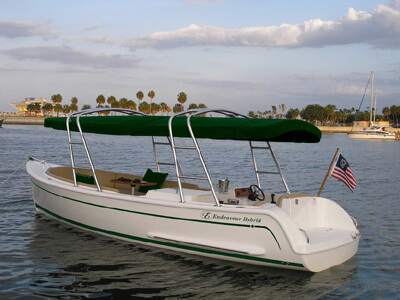
Bow and Stern Thruster
motors dc | motor dc | dc motors | dc motor
Floor Care
motors dc | motor dc | dc motors | dc motor
Hydraulic Pump
motors dc | motor dc | dc motors | dc motor
Material Handling
motors dc | motor dc | dc motors | dc motor
Mining
motors dc | motor dc | dc motors | dc motor
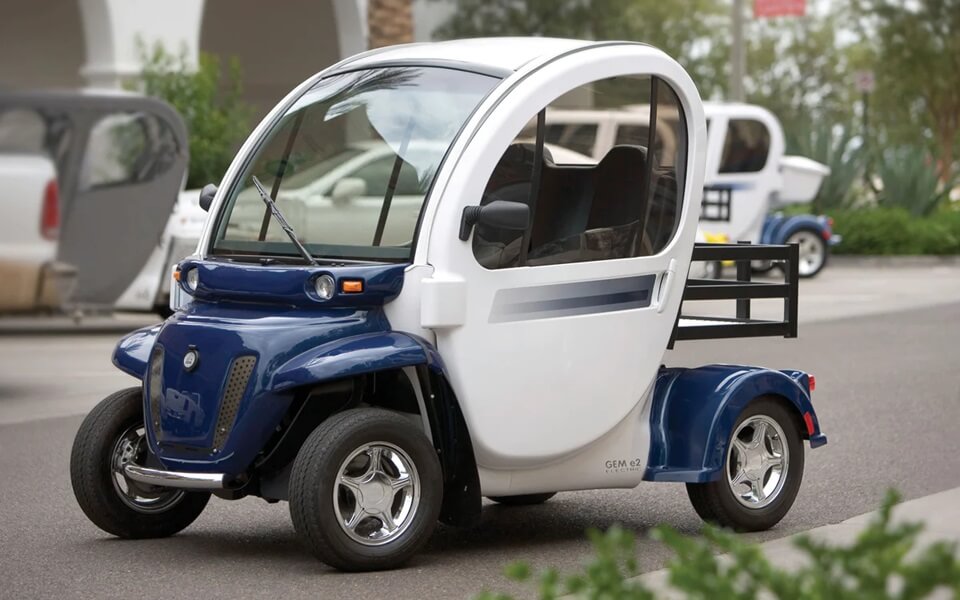
Nev | LSV
motors dc | motor dc | dc motors | dc motor
Warning Siren
motors dc | motor dc | dc motors | dc motor
Wind Turbine
DC Controller Market Segments
motors dc | motor dc | dc motors | dc motor
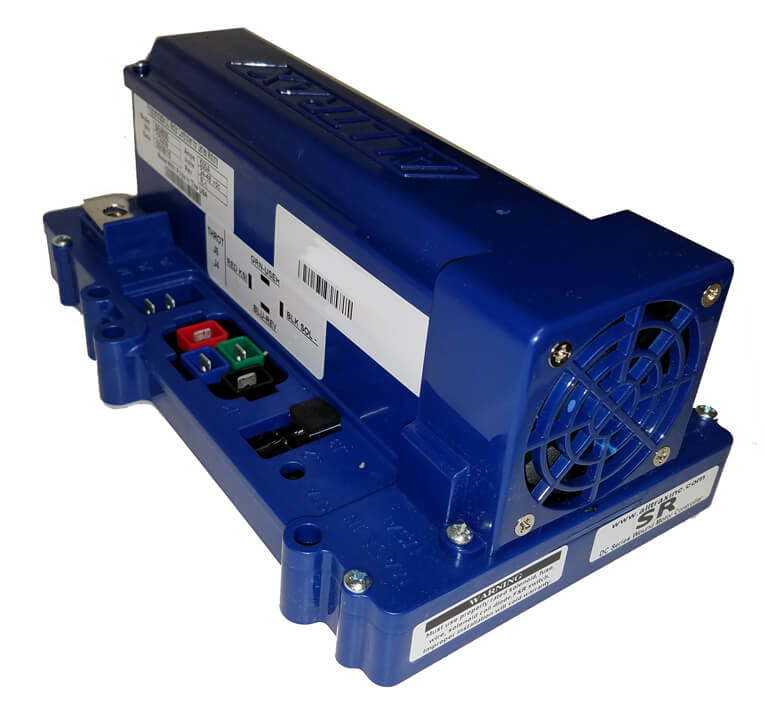
Specialty DC Controller
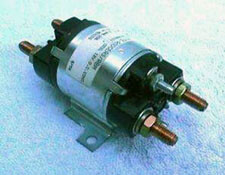
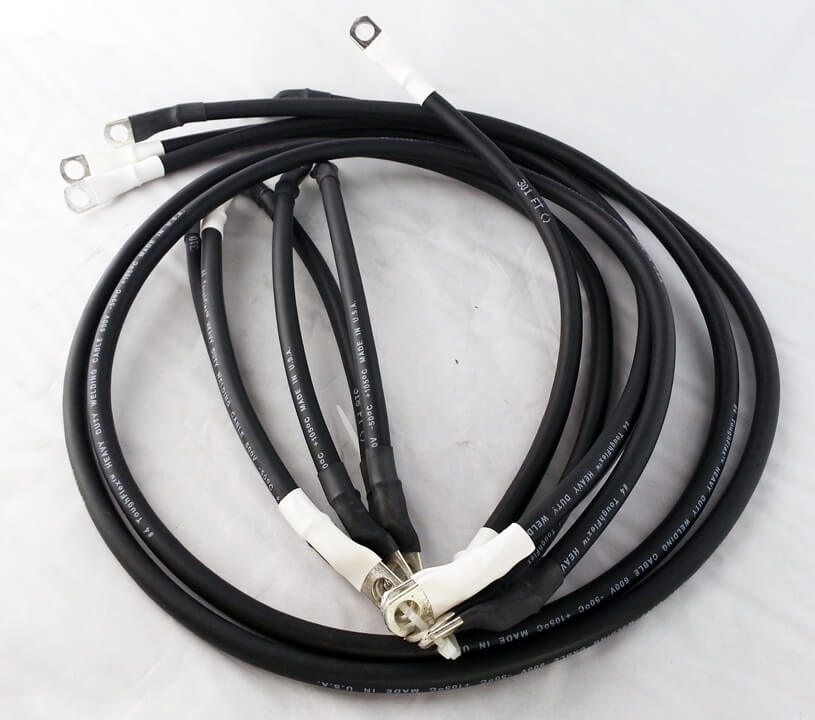
Accessories and Specialty Parts
DC motorsSource: Wikipedia - DC motor | Brushed DC electric motor
A DC motor is an electric motor that runs on direct current (DC) electricity. DC motors were used to run machinery, often eliminating the need for a local steam engine or internal combustion engine. DC motors can operate directly from rechargeable batteries, providing the motive power for the first electric vehicles. Modern DC motors are nearly always operated in conjunction with power electronic devices. The brushed DC electric motor generates torque directly from DC power supplied to the motor by using internal commutation, stationary magnets (permanent or electromagnets), and rotating electrical magnets. Like all electric motors or generators, torque is produced by the principle of Lorentz force, which states that any current-carrying conductor placed within an external magnetic field experiences a torque or force known as Lorentz force. Advantages of a brushed DC motor include low initial cost, high reliability, and simple control of motor speed.

DC Motor - design variations
DC motors are commonly constructed with wound rotors and either wound or permanent magnet stators.

Wound stators

The field coils have traditionally existed in four basic formats: separately excited (sepex), series-wound, shunt-wound, and a combination of the latter two; compound-wound. In a series wound motor, the field coils are connected electrically in series with the armature coils (via the brushes). In a shunt wound motor, the field coils are connected in parallel, or "shunted" to the armature coils. In a separately excited (sepex) motor the field coils are supplied from an independent source, such as a motor-generator and the field current is unaffected by changes in the armature current. The sepex system was sometimes used in DC traction motors to facilitate control of wheelslip.

Simple 2 pole DC Motor

When a current passes through the coil wound around a soft iron core, the side of the positive pole is acted upon by an upwards force, while the other side is acted upon by a downward force. According to Fleming's left hand rule, the forces cause a turning effect on the coil, making it rotate. To make the motor rotate in a constant direction, "direct current" commutators make the current reverse in direction every half a cycle (in a two-pole motor) thus causing the motor to continue to rotate in the same direction.

A problem with the motor shown above is that when the plane of the coil is parallel to the magnetic field—i.e. when the rotor poles are 90 degrees from the stator poles—the torque is zero. In the pictures above, this occurs when the core of the coil is horizontal—the position it is just about to reach in the last picture on the right. The motor would not be able to start in this position. However, once it was started, it would continue to rotate through this position by momentum.
Speed Control
Generally, the rotational speed of a DC motor is proportional to the voltage applied to it, and the torque is proportional to the current. Speed control can be achieved by variable battery tappings, variable supply voltage, resistors or electronic controls. The direction of a wound field DC motor can be changed by reversing either the field or armature connections but not both. This is commonly done with a special set of contactors (direction contactors).

The effective voltage can be varied by inserting a series resistor or by an electronically controlled switching device made of thyristors, transistors, or, formerly, mercury arc rectifiers.

In a circuit known as a chopper, the average voltage applied to the motor is varied by switching the supply voltage very rapidly. As the "on" to "off" ratio is varied to alter the average applied voltage, the speed of the motor varies. The percentage "on" time multiplied by the supply voltage gives the average voltage applied to the motor. Therefore, with a 100 V supply and a 25% "on" time, the average voltage at the motor will be 25 V. During the "off" time, the armature's inductance causes the current to continue through a diode called a "flyback diode", in parallel with the motor. At this point in the cycle, the supply current will be zero, and therefore the average motor current will always be higher than the supply current unless the percentage "on" time is 100%. At 100% "on" time, the supply and motor current are equal. The rapid switching wastes less energy than series resistors. This method is also called pulse-width modulation (PWM) and is often controlled by a microprocessor. An output filter is sometimes installed to smooth the average voltage applied to the motor and reduce motor noise.

Since the series-wound DC motor develops its highest torque at low speed, it is often used in traction applications such as electric locomotives, and trams. Another application is starter motors for petrol and small diesel engines. Series motors must never be used in applications where the drive can fail (such as belt drives). As the motor accelerates, the armature (and hence field) current reduces. The reduction in field causes the motor to speed up until it destroys itself. This can also be a problem with railway motors in the event of a loss of adhesion since, unless quickly brought under control, the motors can reach speeds far higher than they would do under normal circumstances. This can not only cause problems for the motors themselves and the gears, but due to the differential speed between the rails and the wheels it can also cause serious damage to the rails and wheel treads as they heat and cool rapidly. Field weakening is used in some electronic controls to increase the top speed of an electric vehicle. The simplest form uses a contactor and field-weakening resistor; the electronic control monitors the motor current and switches the field weakening resistor into circuit when the motor current reduces below a preset value (this will be when the motor is at its full design speed). Once the resistor is in circuit, the motor will increase speed above its normal speed at its rated voltage. When motor current increases, the control will disconnect the resistor and low speed torque is made available.

One interesting method of speed control of a DC motor is the Ward Leonard control. It is a method of controlling a DC motor (usually a shunt or compound wound) and was developed as a method of providing a speed-controlled motor from an AC supply, though it is not without its advantages in DC schemes. The AC supply is used to drive an AC motor, usually an induction motor that drives a DC generator or dynamo. The DC output from the armature is directly connected to the armature of the DC motor (sometimes but not always of identical construction). The shunt field windings of both DC machines are independently excited through variable resistors. Extremely good speed control from standstill to full speed, and consistent torque, can be obtained by varying the generator and/or motor field current. This method of control was the de facto method from its development until it was superseded by solid state thyristor systems. It found service in almost any environment where good speed control was required, from passenger lifts through to large mine pit head winding gear and even industrial process machinery and electric cranes. Its principal disadvantage was that three machines were required to implement a scheme (five in very large installations, as the DC machines were often duplicated and controlled by a tandem variable resistor). In many applications, the motor-generator set was often left permanently running, to avoid the delays that would otherwise be caused by starting it up as required. Although electronic (thyristor) controllers have replaced most small to medium Ward-Leonard systems, some very large ones (thousands of horsepower) remain in service. The field currents are much lower than the armature currents, allowing a moderate sized thyristor unit to control a much larger motor than it could control directly. For example, in one installation, a 300 amp thyristor unit controls the field of the generator. The generator output current is in excess of 15,000 amperes, which would be prohibitively expensive (and inefficient) to control directly with thyristors.
©2007 D&D Motor Systems, Inc. - Privacy Policy Phone: (315) 701-0635